In one of the most consequential shifts in modern gemology, the Gemological Institute of America (GIA)—the creator of the universal 4Cs diamond grading standard—has announced that it is retiring traditional 4Cs nomenclature for laboratory-grown diamonds. Rather than issuing D-to-Z color and Flawless-to-Included clarity grades designed for geological rarities, GIA is introducing streamlined quality tiers tailored specifically to manufactured stones.
For couples selecting an engagement ring and collectors investing in fine solid gold jewelry, understanding why GIA drew this clear boundary illuminates the fundamental distinction between billion-year-old natural diamonds and chamber-grown synthetics.
01 The Landmark Shift: Stepping Away from Traditional 4Cs for Synthetics
Developed by GIA in the mid-twentieth century, the 4Cs—Cut, Color, Clarity, and Carat Weight—were engineered to map the extraordinary geological continuum of natural diamonds formed deep within the Earth's mantle. Because nature never produces two identical crystals, a granular grading scale is essential to evaluate a natural diamond's rarity and optical performance.
Under GIA's updated framework, laboratory-grown diamonds will no longer receive individual alphabetical color grades or traditional clarity designations on new GIA submissions. Instead, GIA is transitioning synthetic stones into descriptive quality classifications that reflect their industrial origin.
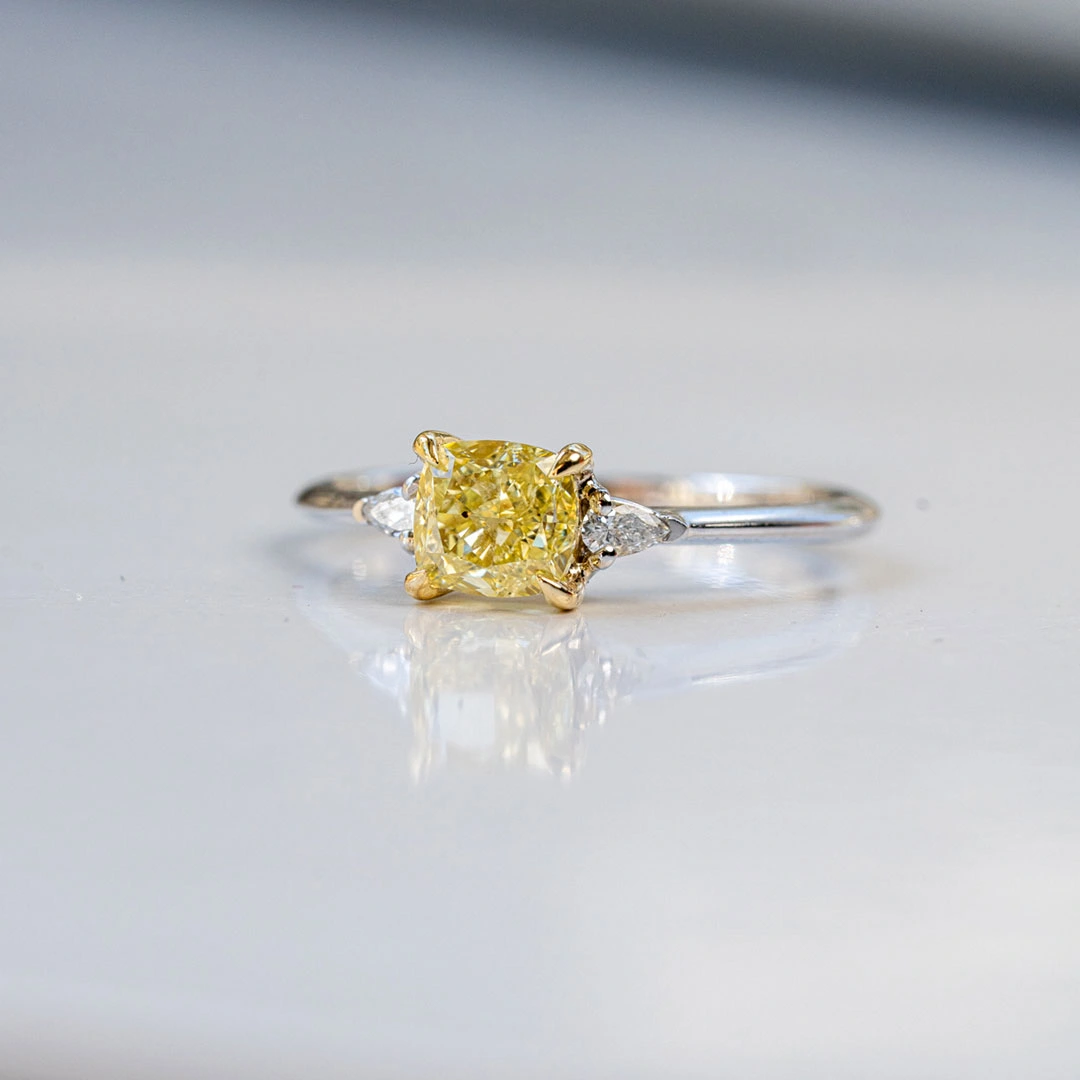
02 Inside GIA's New "Premium" and "Standard" Tiers
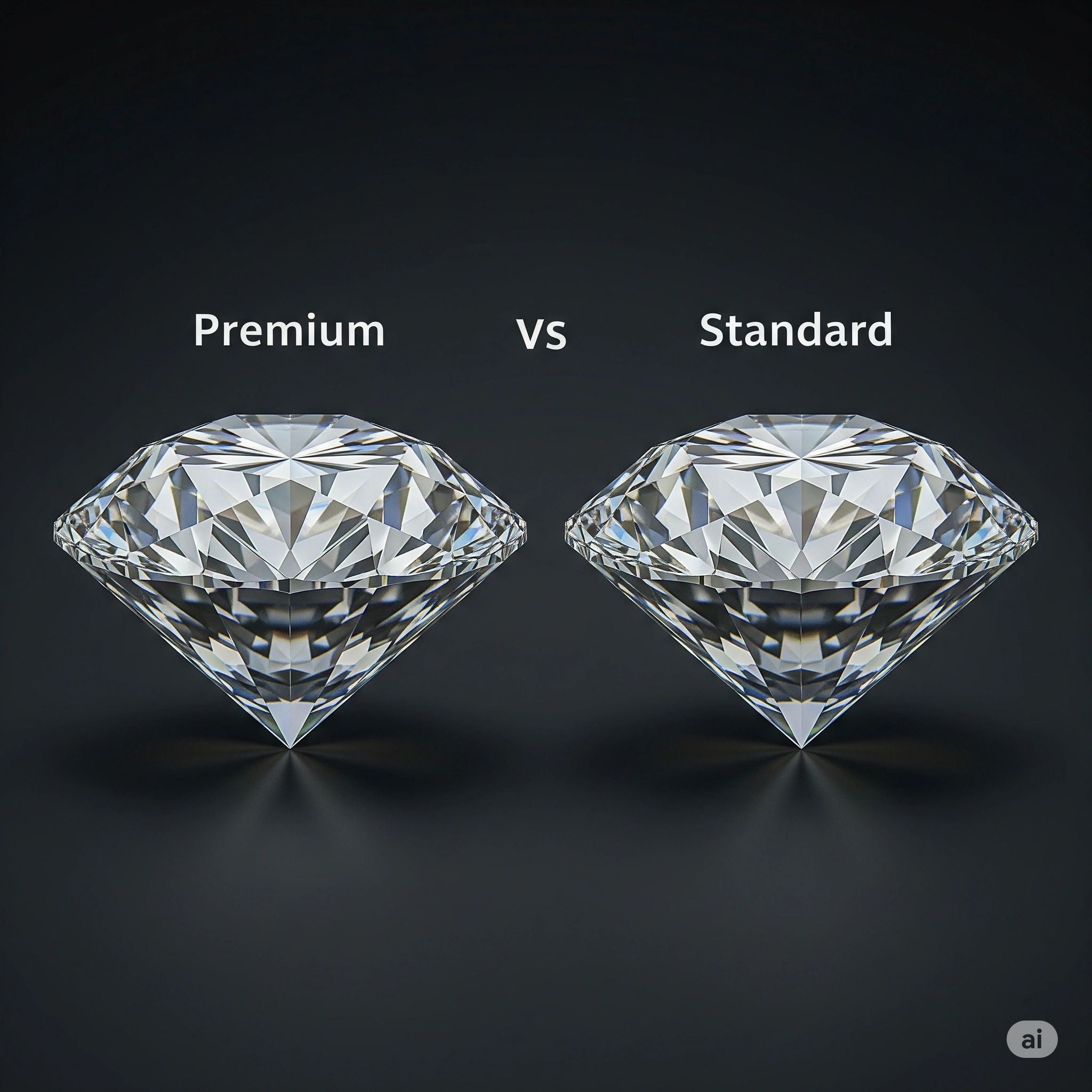
Rather than grading synthetic stones along the natural rarity spectrum, GIA's revised system evaluates laboratory-grown diamonds using two broad descriptive designations:
- Premium Designation: Reserved for laboratory-grown stones that exhibit exceptional colorless appearance, high transparency free of visible growth remnants, and superior symmetry, polish, and light return.
- Standard Designation: Assigned to well-made laboratory-grown stones that meet everyday jewelry benchmarks for brightness, clean appearance, and proportion balance without reaching the top optical tier.
- Strict Minimum Threshold: Man-made stones exhibiting noticeable color tints (such as brownish, grayish, or metallic flux undertones) or poor cut craftsmanship fall below GIA's acceptance threshold and receive no quality designation at all.
03 Why GIA Made the Move: Geological Rarity vs. Chamber Uniformity
GIA's gemological research revealed a striking reality: more than 95% of laboratory-grown diamonds entering the market are produced via CVD or HPHT reactors within a narrow, tightly controlled band of color and clarity. Applying a 23-step color scale and an 11-step clarity scale to mass-manufactured stones created an illusion of natural scarcity where none existed.
- Clarity of Origin: Separating the grading vocabulary prevents shoppers from conflating factory-produced stones—whose supply is virtually unlimited—with finite natural diamonds formed over one to three billion years.
- Protecting Collector Trust: As a public-benefit institute, GIA emphasized that distinct terminology empowers buyers to make transparent, well-informed decisions without confusing technical overlap.
- Historical Evolution: GIA originally used generalized synthetic descriptors in 2006 before briefly adopting full 4Cs reports in 2020; returning to simplified tiers reflects how rapidly industrial diamond production has scaled.
04 What This Means for Engagement Ring & Fine Jewelry Collectors
Across the global bridal and fine jewelry world, GIA's announcement has been welcomed by heritage maisons and the Natural Diamond Council as a defining moment. While some synthetic retailers may turn to alternative commercial laboratories that still print letter grades, discerning collectors increasingly view natural and lab-grown stones as two fundamentally different categories—much like mechanical Swiss horology versus quartz timepieces.
For engagement rings, anniversary bands, and family heirlooms meant to carry enduring emotional and material significance across generations, natural diamonds verified by traditional GIA 4Cs grading remain unmatched.
05 Existing GIA Reports & The MOV Maison Standard
GIA has confirmed that all previously issued GIA Laboratory-Grown Diamond Reports remain valid for verification in the GIA Report Check database. Meanwhile, natural diamonds continue to receive the full, rigorous GIA 4Cs Dossiers and Grading Reports trusted worldwide.
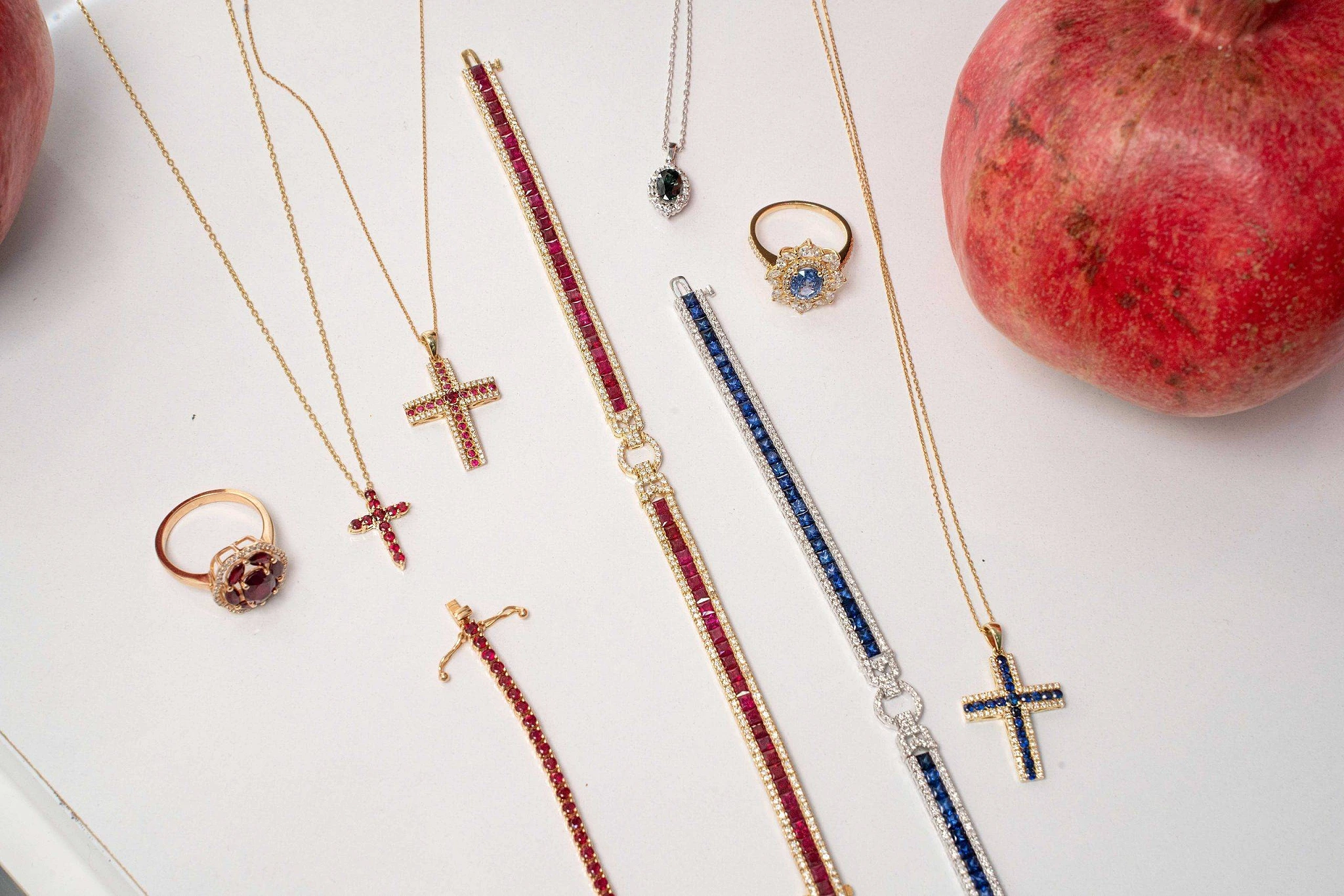
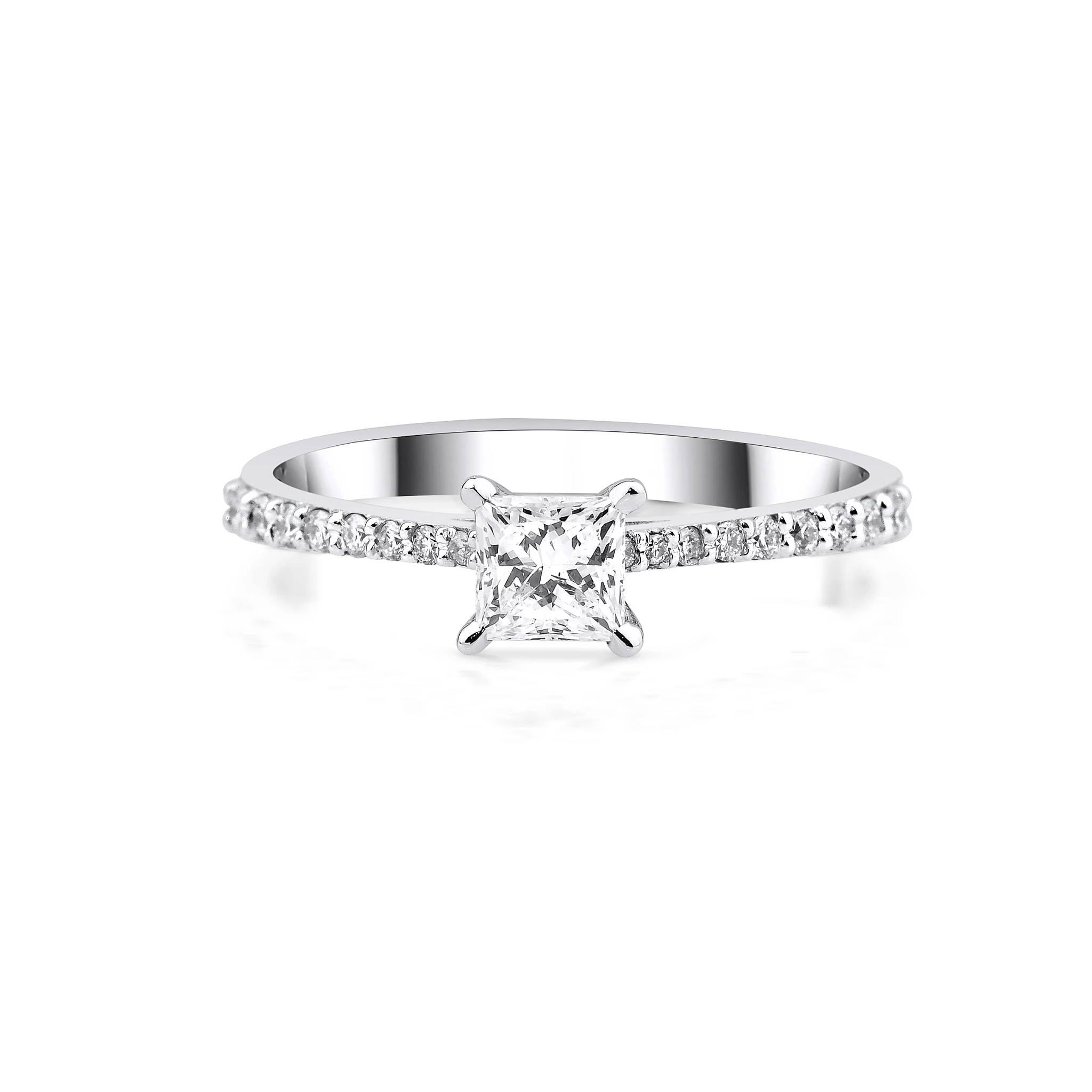
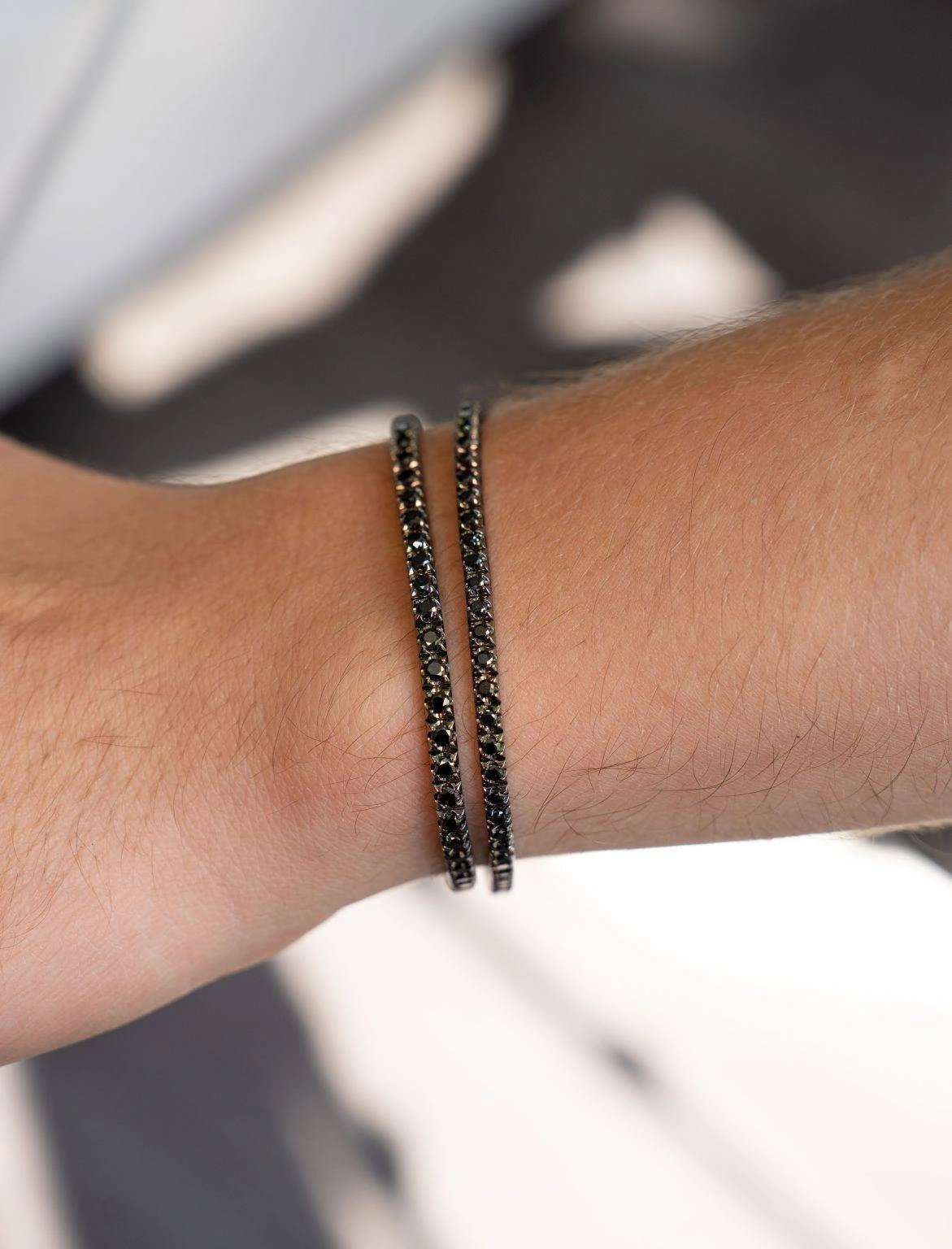
At MOV Diamond & Jewelry, every engagement ring, tennis bracelet, and heirloom band is individually handcrafted in solid 14K or 18K gold using ethically sourced, conflict-free natural diamonds and precious gemstones—accompanied by authentic certification and our private gemologist consultation.
Gemologist Key Takeaways
Why did GIA stop using traditional 4Cs grades for lab-grown diamonds?
Over 95% of laboratory-grown diamonds are manufactured within a very narrow band of color and clarity. GIA retired traditional 4Cs nomenclature for synthetics to reflect their uniform industrial production and clearly distinguish them from rare geological natural diamonds.
What are GIA’s new "Premium" and "Standard" designations?
Instead of individual D–Z color and FL–I3 clarity grades, GIA classifies qualifying lab-grown stones into "Premium" (top optical symmetry, colorless appearance, and high transparency) or "Standard" tiers, while stones below minimum thresholds receive no designation.
Do natural diamonds still receive full GIA 4Cs certificates at MOV Diamond & Jewelry?
Yes. Natural conflict-free diamonds continue to be graded under the full GIA 4Cs standard (Cut, Color, Clarity, and Carat Weight). Every MOV Diamond & Jewelry creation is handcrafted in solid 14K or 18K gold with certified natural stones.